Health and Safety Policy for Removal Van Richmond
 Our Removal Van Richmond health and safety policy is designed to protect staff, customers, visitors, and property during every stage of a move. Safe working practices are essential in a busy removals environment, where lifting, loading, driving, and handling fragile items all present different risks. This policy sets out the principles our team follows to reduce those risks and maintain a secure, well-organised service.
We believe that good health and safety is not separate from efficiency; it is part of it. A safe move is usually a smoother move, because careful planning, suitable equipment, and clear communication help prevent avoidable delays and damage. Every member of the team is expected to act responsibly, report hazards promptly, and support a culture where safety comes first.
Before any job begins, a risk assessment is completed to identify potential hazards and the safest way to carry them out. This may include checking access routes, stairways, flooring, lighting, parking arrangements, and the condition of items being moved. Removal van safety starts with preparation, and preparation starts with understanding what could go wrong.
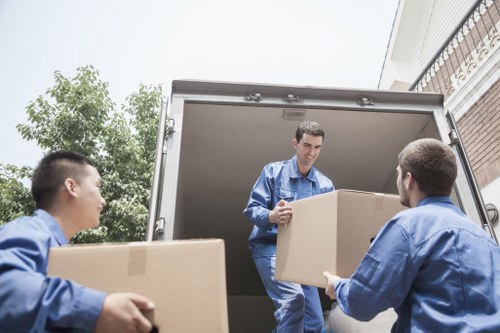 Manual handling is one of the most important aspects of our policy. Team members are trained to lift correctly, use team lifts where appropriate, and avoid twisting or overreaching while carrying heavy goods. We also use trolleys, straps, blankets, and other equipment to reduce strain and keep furniture secure during transit.
Vehicles used for removal services are checked regularly to confirm they are safe, clean, and fit for purpose. Daily inspections help identify issues with tyres, lights, brakes, loading areas, and securing points. Loads must always be distributed safely to minimise movement in transit, and all items must be strapped or protected when necessary.
 Personal protective equipment is used whenever required. Depending on the task, this may include gloves, safety footwear, hi-vis clothing, or back-support aids where appropriate. PPE is not a substitute for safe technique, but it provides an extra layer of protection when handling awkward, heavy, or sharp-edged items.
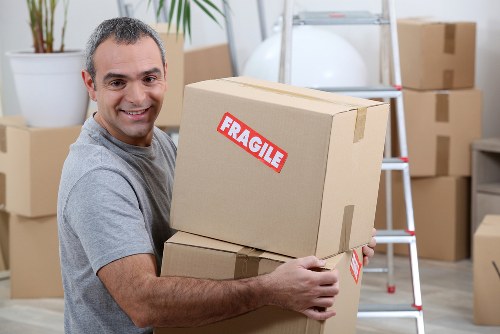
Household and commercial removals often involve valuable, fragile, or unusual items, so safe packing and careful handling are essential. Glass, electronics, artwork, and specialist equipment must be wrapped, labelled, and loaded in a way that reduces the chance of breakage. Clear communication between crew members helps ensure each item is moved with the right level of care.
Fire safety and emergency readiness are also part of our approach. Vehicles and work areas must be kept free from obvious hazards, and team members are expected to know what to do if an incident occurs. First aid supplies, emergency procedures, and accident reporting processes are maintained so that any issue can be dealt with quickly and effectively.
We also consider the welfare of everyone involved in the move. This includes allowing enough time for tasks, providing breaks where needed, and avoiding unnecessary pressure that could lead to mistakes or injury. A well-managed day supports focus, reduces fatigue, and helps the team maintain consistent standards throughout the job.
Training is a key part of our commitment to safe operations. Staff receive instruction on lifting techniques, load security, equipment use, vehicle checks, and hazard awareness. Refresher training is provided to keep good habits current and ensure that our removal van team understands how to respond to changing conditions or unexpected challenges.
 Customers also play an important role in safe removals. Before moving day, we encourage clear communication about access, parking, fragile items, and any known risks such as narrow passages, low ceilings, or restricted entrances. When everyone shares accurate information, the move can be planned more safely and completed with fewer disruptions.
Slip and trip prevention is especially important because removal work often takes place in homes, offices, and shared buildings where surfaces can change quickly. Spilled water, loose cables, uneven steps, and cluttered walkways can all create hazards. Our team keeps routes as clear as possible and remains alert to conditions that may require extra caution.
When using removal vans, speed must never come before safety. Drivers are expected to drive responsibly, follow road rules, and adjust to weather and traffic conditions. Loads are checked before departure and during the move if needed, helping ensure that items remain stable and the vehicle stays balanced.
Risk management is an ongoing process, not a one-time task. If a new hazard is identified during a move, the team pauses, reassesses, and decides on the safest next step. This practical approach helps prevent incidents and demonstrates our commitment to maintaining a safe working environment at all times.
 Our health and safety standards apply to every move, whether it involves a single item or a full property relocation. By combining planning, training, equipment, and careful behaviour, Removal Van Richmond can protect people and property while delivering a reliable service. Safety is always treated as a shared responsibility, and it remains central to everything we do.